Boat Value Compass

Know the true value of any boat.

Instant, data-driven valuations backed by exact and similar-model comps, condition proof, and model demand.

Market Price TrackingExact and similar-model comps & trend signalsCondition AwareAdjusts for equipment, age & conditionPrivate & SecureYour data is never shared or sold

4.8/5 from 2,300+ boaters

Get your estimate in minutes.

or

Private, secure, and independent. No personal data shared.

Premium example report

Generated from the same report design

This preview uses the same Lagoon 450F report data and UI components shown after a real Boatpedia evaluation.

Back to review

Buyer valuation report

Offer at the number the evidence supports: live comps, condition proof, and category fit before you negotiate.
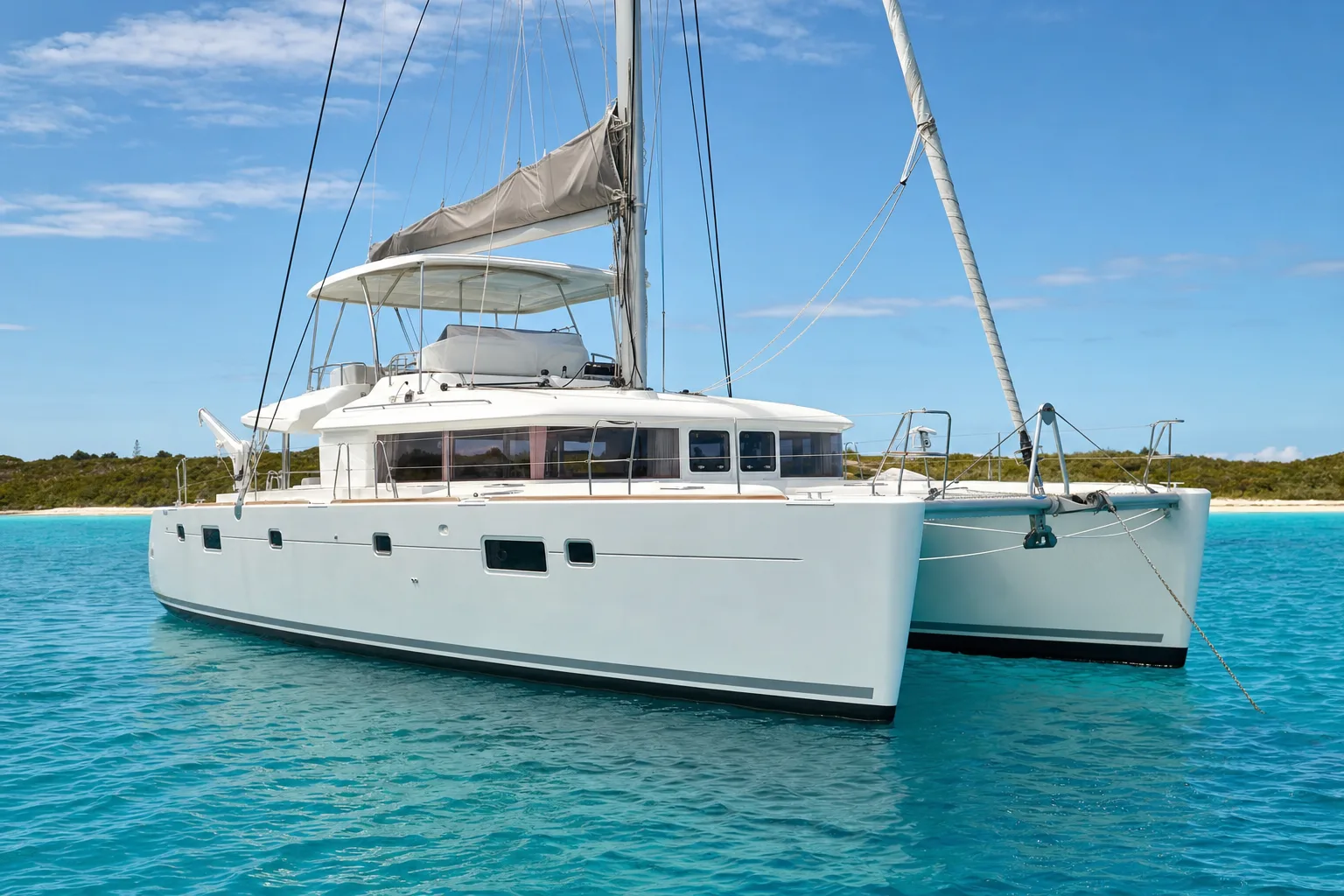
Representative cruising catamaran image for Lagoon 450F 1 / 22

2016 Lagoon 450F

Sailboat 46 ft

Sailboat3 CabinsDiesel
Length46 ft
MakeLagoon
Year2016
EngineTwin Yanmar 57 hp diesels
LocationFort Lauderdale, FL

Updated on Jun 5, 2026

Fair Value Range (USD)$505K - $564K

Confidence Score

7
Medium confidence

Ownership Cost (Annual)

Market context

Active listings70Price trend+2%Market demandHigh

Refit reserve

$76,500

Mid recommended budget

To address deferred or age-related items
Propulsion$20,000Rig and sails$13,000Energy$8,500

Next actions

Document bulkhead statusAdd 10+ high-quality photosInclude engine hours
Save and continue

Valuation is based on evidence, market comps, condition, and model-specific factors. Use as a guide, not a guarantee.

Evaluator FAQ

How Boatpedia reads the market

The evaluator is designed to separate observable market signals from claims that are hard to verify, then show how condition and lifecycle evidence can move a boat within that range.

Boat listings reliably expose asking prices. Final transaction prices are often private, reported inconsistently, or impossible to verify at scale, so Boatpedia uses observed asking prices as the market anchor and then adjusts for condition, lifecycle evidence, equipment, location, demand, and listing freshness.

Actual sale prices can land below the ask, especially when a boat is stale, over-priced, poorly located, or has survey issues. Use the range as decision support, then confirm with broker feedback, survey results, title checks, and your own negotiation context.

SituationLikely sale vs. asking
Very desirable, well-priced, late-model boat95-100% of asking
Normal used boat, fairly priced90-95%
Older or stale listing, soft market, motivated seller80-90%
Overpriced, long time on market, survey issues, poor location60-80%, sometimes lower

The evaluator starts with exact model comps, then can add clearly labeled similar-model comps when exact inventory is thin. A tight range means the available listings agree more closely; a wider range usually means thin comps, varied condition, unusual equipment, or a market that is moving quickly.

Lifecycle evaluation treats major systems as aged assets. Dated proof for sails, rigging, engines, batteries, electronics, canvas, generators, watermakers, safety gear, and refits can support value. Missing dates do not automatically punish a boat, but they do create more reserve and lower confidence.

A listing URL gives the evaluator a starting identity. Photos, walkthrough videos, surveys, invoices, refit records, engine hours, location, and equipment notes improve the condition and lifecycle adjustments. The best report usually combines a public listing with owner or broker evidence.

The start step imports listing facts when possible, then asks you to review the boat details before valuation. Uploads are used to build the report and are not shared or sold. If the importer cannot read a page, manual details and files can still produce an evaluation.

Buyers can use the report to spot pricing risk, ask sharper survey questions, and set an offer strategy. Sellers can use it to check whether an ask is defensible before going live. It is still not a survey, appraisal, title review, or sea trial.